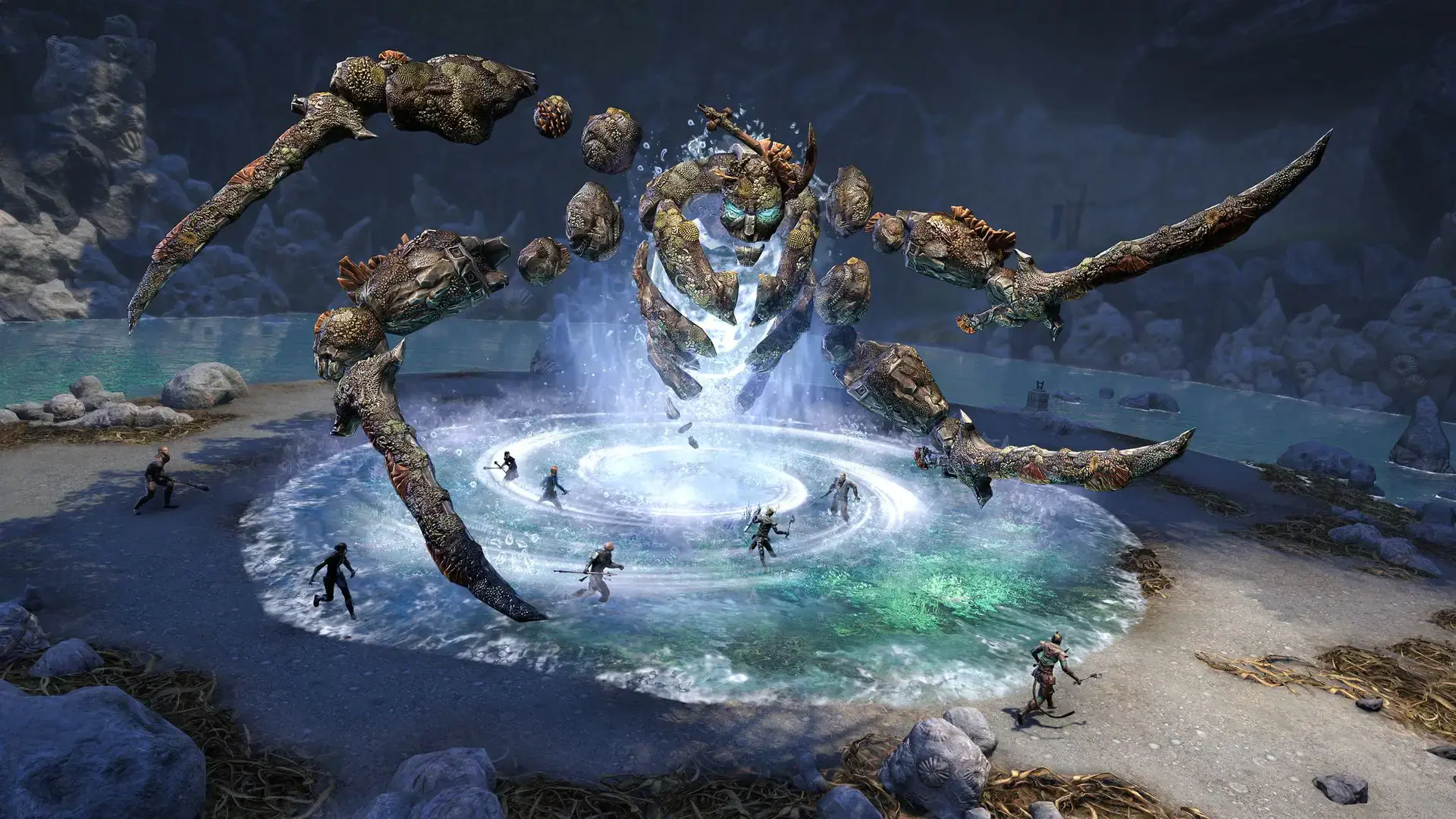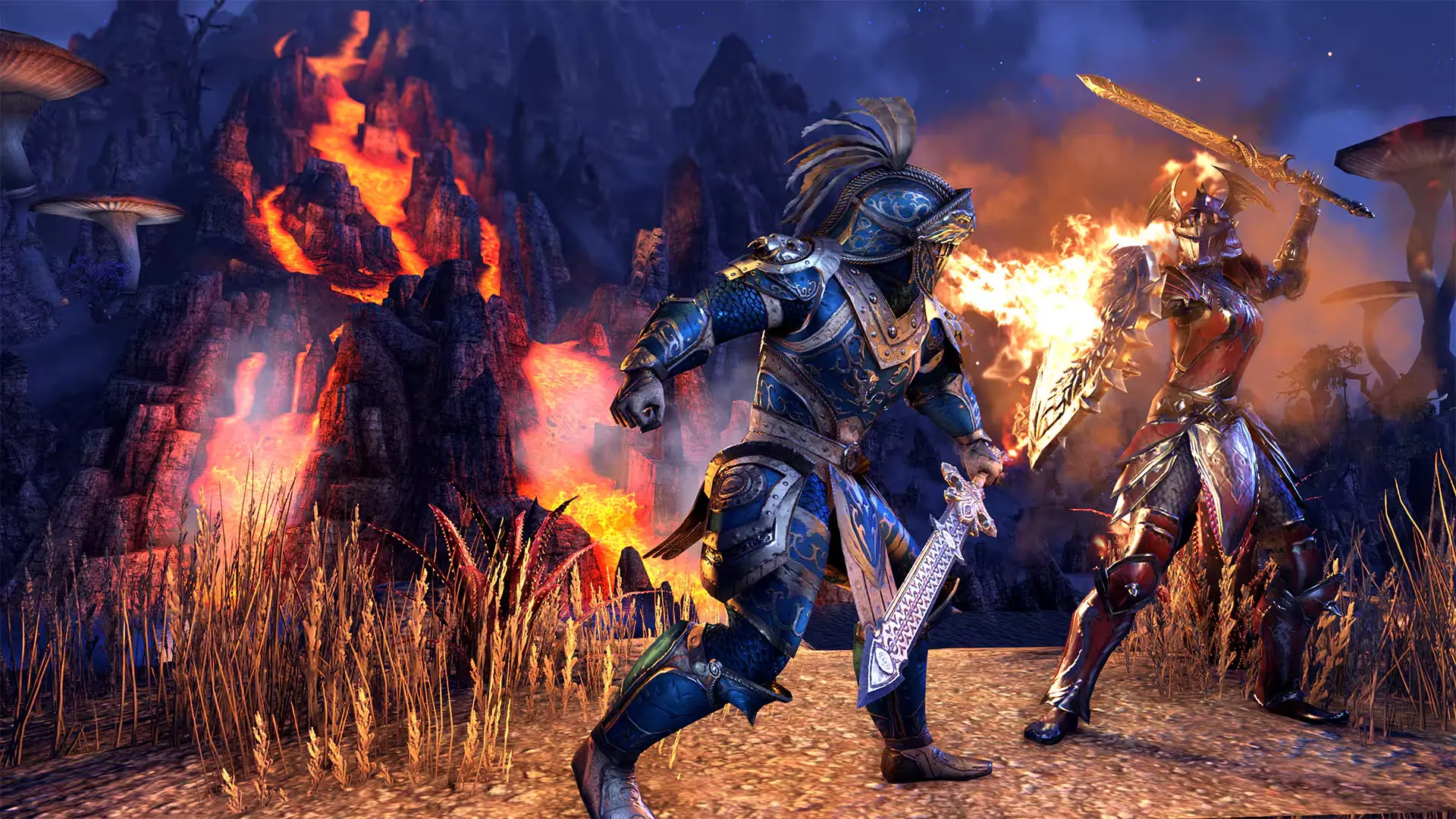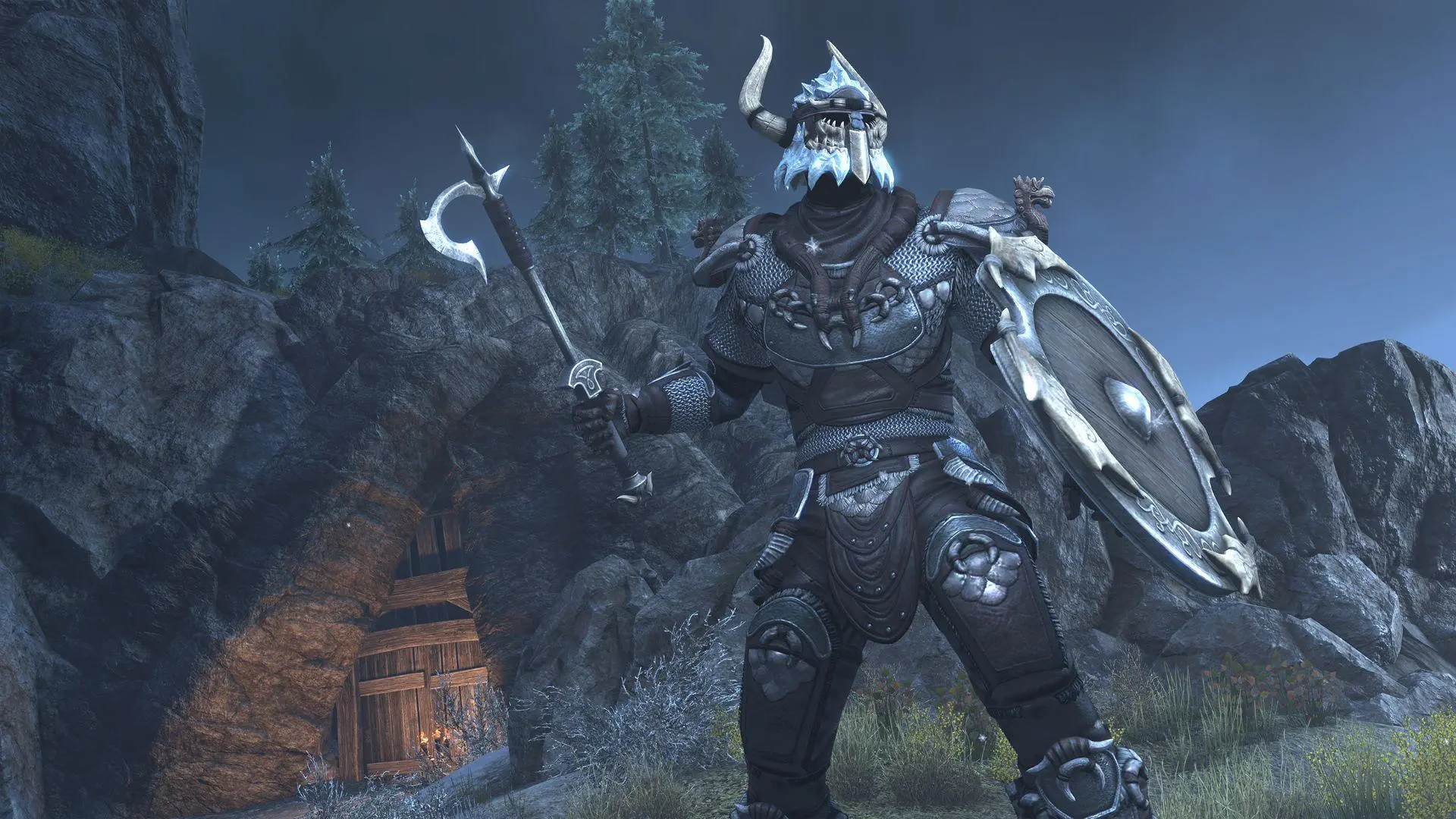










Dungeon tanking in ESO is different from tanking trials. In a four-player group, your gear and skills have a direct impact on how quickly enemies are gathered, how safely the group handles mechanics and how much damage your teammates can deal. The right setup also depends on whether you have a healer or are running with three damage dealers.
This ESO Dungeon Tank Build brings together setups for every class, with options for Veteran dungeons and Hard Modes. It gives you a reliable starting point for gear and skills, then explains how to adjust them when your group already covers a buff or a particular encounter demands more survival, control or sustain.
There is no single loadout that makes sense for every class and every dungeon. Learn the core setup first, then change the parts that solve a real problem for your group.
Not sure if this is the right Tank for you?
Compare all ESO Tank builds and find the class that fits your playstyle and group role.
Want My Best Builds Before Everyone Else?
Get builds before release, exclusive setups, and direct input on future content.
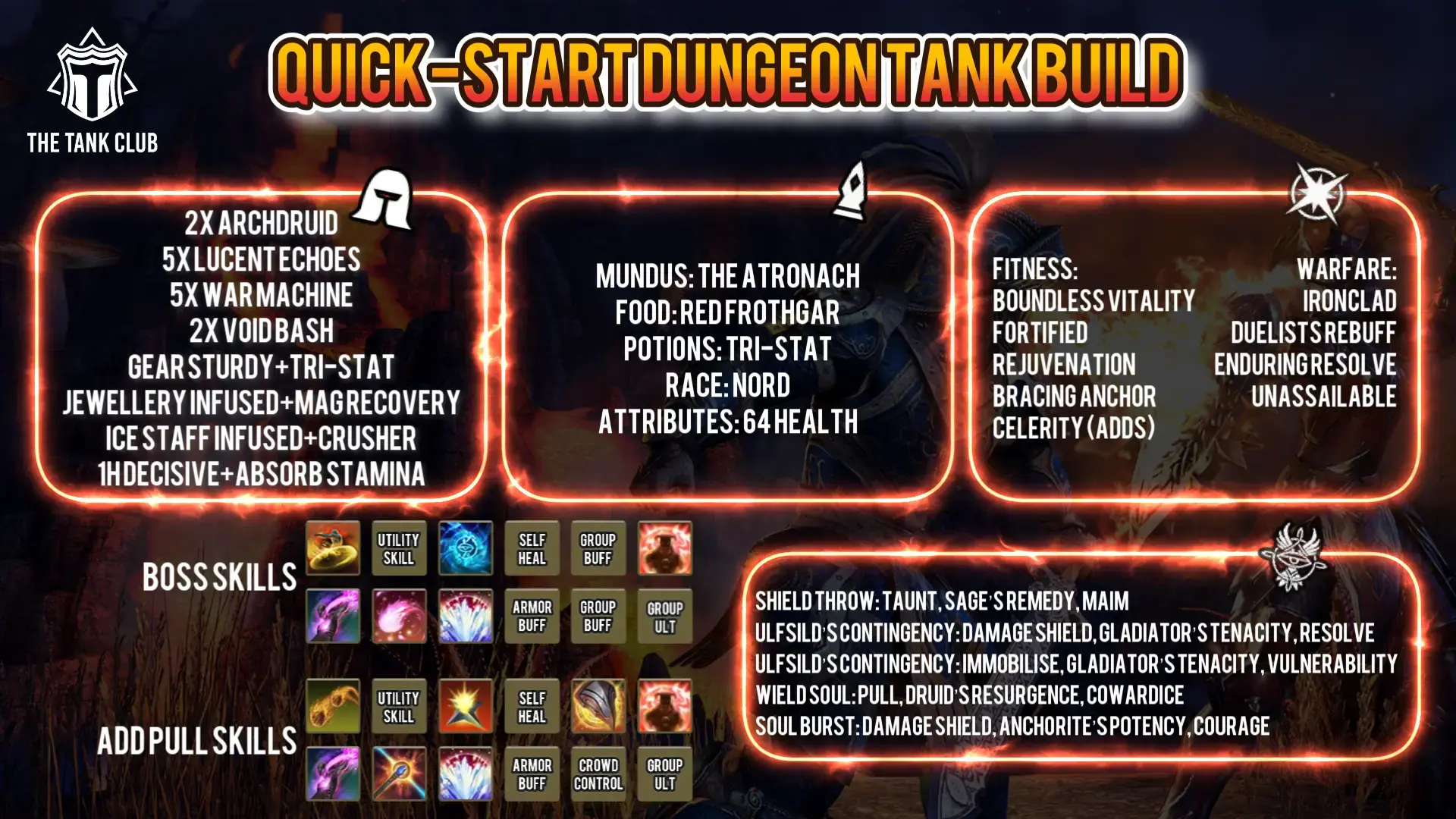
Quick-Start ESO Dungeon Tank Build
What Does a Dungeon Tank Do?
A dungeon tank’s first job is to keep dangerous enemies under control and give the group a safe, consistent place to deal damage. As you move into Veteran DLC and Hard Mode dungeons, positioning, resource management and encounter knowledge become just as important as surviving hits.
During add pulls, gather enemies into a tight stack where your damage dealers can hit them together. Taunt priority targets, use crowd control to keep the stack in place, and apply debuffs that help the group clear it quickly. You do not need to taunt every small enemy, but you do need to recognise which ones can threaten your group.
During boss fights, keep the boss taunted and positioned appropriately, usually facing away from your group, handle mechanics, and control any adds that require your attention. Maintain your defensive skills and the most valuable group buffs and debuffs without spending resources unnecessarily.
As you become more comfortable, pay attention to Ultimate timing. Using a group damage Ultimate when your damage dealers can take advantage of it is often more valuable than casting it the moment it becomes available. The gear and skill choices below are designed to help you cover these responsibilities on any tank class.
Best Tank Classes
Every class can tank ESO dungeons successfully, including Veteran DLC dungeons and Hard Modes. This is my personal ranking based on how the classes feel to play as dungeon tanks, the support they bring to a four-player group, and how easily they cover their own survival and sustain. It is a guide for choosing a new tank, not a limit on what your existing character can achieve.
These recommendations focus on full-class tanks using Class Mastery. Your ideal choice can change with group composition: a buff that makes your tank valuable in a random group may already be covered by a damage dealer or healer in an organised one.
| My preference | Class | Why I would choose it for dungeons |
|---|---|---|
| Top Dungeon Performers | Nightblade | Excellent sustain and Ultimate generation, with Class Mastery options that can also support group resources. I particularly like it in unpredictable groups, where those benefits are less likely to be covered by another Nightblade. |
| Top Dungeon Performers | Arcanist | Strong shields, reliable survival and a broad range of group support make it comfortable across different dungeon encounters. Some of its benefits may overlap if you regularly play with an Arcanist healer. |
| Top Dungeon Performers | Dragonknight | Excellent control, chains and defensive tools make add pulls and difficult fights easier to manage. Its sustain now needs more attention, and a DK damage dealer may already cover some of the group benefits you would bring. |
| Strong Alternative | Sorcerer | A capable tank with useful sustain, defensive options and group support. Its new group penetration benefit can be valuable when the group needs it, though Sorcerer damage dealers may already provide it. |
| Strong Alternative | Warden | Strong defensive and healing support makes it a dependable dungeon tank. I place it slightly below my top choices mainly because Warden healers are common and can cover several of the benefits that make the class attractive. |
| Lower Priority for me | Templar | In a better position than it used to be, with group damage support through Class Mastery and an additional group armor benefit in Update 51. It can tank dungeons well; I simply find the higher choices offer a smoother overall mix of control, sustain and support. |
| Lower Priority for me | Necromancer | Brings useful group support and can perform well with a player who enjoys managing its toolkit. Its Major Vulnerability benefit is easier to cover through gear or another group member, which gives me fewer reasons to choose it specifically for a dungeon tank. |
Core Essentials
Attributes
- 64 Health
Mundus Stone
The Atronach increases Magicka Recovery, helping you maintain taunts, buffs, debuffs and crowd control through repeated add pulls and longer boss fights. It is a dependable default across all tank classes, particularly when your group has limited resource support.
Food Options
Orzorga’s Red Frothgar is the recommended food for most dungeon tanks. It provides a large Max Health bonus and strong Magicka Recovery, helping you maintain your skills through add pulls and boss fights. It is also much cheaper to use regularly than Smoked Bear Haunch.
Orzorga’s Smoked Bear Haunch adds Health and Stamina Recovery, but gives less Max Health and Magicka Recovery than Red Frothgar. Its Stamina Recovery only helps while you are not blocking, so it offers limited value if you spend much of a fight holding block. Given its cost, I would only choose it if you regularly release block and find that the additional recovery improves your sustain.
Jewels of Misrule is a cheaper way to gain Magicka and Stamina Recovery, though it provides less Max Health and Magicka Recovery than Red Frothgar. The same blocking limitation applies to its Stamina Recovery.
Bewitched Sugar Skulls increases all three maximum resources. Use it if your setup needs larger Stamina or Magicka pools, but bear in mind that it provides neither Magicka nor Stamina Recovery.
Potions
Essence of Health (Tri-Stat) potions are the default for dungeon tanking. Restoring Health, Magicka and Stamina together gives every class an emergency resource refill during difficult pulls or boss mechanics.
Race
Nord is a strong all-round choice for dungeon tanking. Its defensive bonuses and Ultimate generation are useful on every class, whether you are learning encounters or supporting an organised group.
Imperial provides Max Health, Max Stamina and reduced ability costs, making it a comfortable choice if you want easier resource management. Redguard offers Stamina sustain through its racial passives, which can help during longer fights.
Race has less impact than knowing the mechanics and managing your resources well. If you already have a tank of another race, there is no need to change it for this build. For a fuller comparison, see the ESO Tank Race guide.
Attributes
Put all 64 attribute points into Health. A larger Health pool helps you survive heavy hits and overlapping trial mechanics. It also strengthens the Max Health-scaling heals and damage shields used by many tank builds, improving your survivability in more than one way.
Recommended Stats (Fully Buffed)
These are practical starting points, not thresholds you must hit before entering a dungeon. Check your stats with your usual food, gear and self-buffs active, then adjust them based on the content and where your build runs out of resources.
40,000+ Health
A comfortable target for Veteran DLC dungeons and Hard Modes, where an unblocked hit or overlapping damage can quickly become dangerous. You can use less in easier content or when you know an encounter well, but having more will help a lot in harder hitting dungeons.
20,000+ Stamina
Gives you room to block, dodge, break free and use Stamina skills. If Stamina regularly runs out, look at how often you block and cast skills as well as your maximum pool.
Under 1,000 Block Cost
Aim to bring your block cost below 1,000 for a comfortable dungeon setup. Blocking repeated attacks, especially during large add pulls, can drain Stamina quickly if the cost is too high. A few Sturdy armor pieces or one Infused jewellery piece with a Bracing enchantment can help you reach this target. Check your final block cost before adding more reductions: once blocking feels sustainable, further investment offers less benefit. Releasing block when it is safe remains an important part of managing Stamina.
15,000+ Magicka
A useful baseline for casting tank skills. If you repeatedly run out during add pulls or boss fights, improve your sustain or increase your Magicka pool to suit your skill costs. A larger pool alone will not solve a long-term resource deficit.
25,000–33,100 Resistances
You do not need to reach the resistance cap for every dungeon. Around 25,000 fully buffed is a useful starting point for Veteran DLC content; moving closer to 30,000 or more can make demanding Hard Mode encounters more forgiving. In easier dungeons, prioritise taunting and controlling enemies over chasing a particular resistance number.
Skills, class passives, Major and Minor Resolve, Reinforced armor and a Defending weapon can all help raise your resistances. They remain useful against damage over time and hits you cannot block, even when you are comfortable blocking the most dangerous attacks.
2,000+ Magicka Recovery
A helpful target if your build casts Magicka skills frequently, especially in groups without a healer. It is not a requirement for every class: some tanks can maintain their skills with less through class abilities, heavy attacks, potions or other resource returns. Judge the number by whether you can keep your important skills active throughout a fight without exhausting your Magicka.
Should Dungeon Tanks Use Subclassing?
I recommend staying with your full class for the dungeon setups in this guide. Class Mastery gives full-class tanks additional passive benefits, and every class has enough tools to handle dungeon content without relying on Subclassing.
Subclassing is still a useful option when you have a particular setup in mind. You might combine healing and tank skills for a group running three damage dealers, or bring together defensive and sustain tools from different classes for a difficult encounter. Those builds can work well, but I would choose them for a specific purpose rather than treat Subclassing as a requirement.
For a full breakdown of subclass combinations, read our ESO Tank Subclassing Guide.
Dungeon Tank Gear
Which Gear Setup Should You Use?
Optimised Damage Setup is the starting point for an organised group that can make good use of War Machine’s Major Slayer during boss damage windows. Lucent Echoes provides group Critical Damage while you stay above 50% Health, and Archdruid Devyric adds Major Vulnerability when you land a Heavy Attack. Check whether another player already provides those effects before choosing it.
No Trial Gear Setup uses Turning Tide for Major Vulnerability, Crimson Oath’s Rive for enemy armor reduction, and Spaulder of Ruin for group Weapon and Spell Damage. It is a practical alternative if you do not have the trial sets, particularly when your damage dealers need more penetration. You will still need to obtain the mythic item and Void Bash from Vateshran Hollows.
Running with an unfamiliar group? Start with the setup you can maintain comfortably, then watch for overlap. Another source of Major Vulnerability reduces the value of Archdruid or Turning Tide, while Crimson Oath’s Rive adds little if your damage dealers already have enough penetration. You do not need to swap gear for every random dungeon; make changes when you know what your group is missing.
| Piece | Set | Weight | Trait | Enchantment |
|---|---|---|---|---|
| Head | Archdruid Devyric | Medium | Divines/Reinforced | Prismatic Defence |
| Shoulder | Archdruid Devyric | Light | Divines/Sturdy | Prismatic Defence |
| Chest | Lucent Echoes | Heavy | Divines/Reinforced | Prismatic Defence |
| Hands | Lucent Echoes | Heavy | Divines/Sturdy | Prismatic Defence |
| Waist | Lucent Echoes | Heavy | Divines/Sturdy | Prismatic Defence |
| Legs | Lucent Echoes | Heavy | Divines/Reinforced | Prismatic Defence |
| Feet | Lucent Echoes | Heavy | Divines/Sturdy | Prismatic Defence |
| Necklace | War Machine | Jewellery | Infused | Magicka Recovery |
| Ring | War Machine | Jewellery | Infused | Magicka Recovery |
| Ring | War Machine | Jewellery | Infused | Magicka Recovery |
| Main Hand | Void Bash | Any 1H | Decisive | Hardening |
| Off Hand | Void Bash | Shield | Divines/Sturdy | Prismatic Defence |
| Main Hand Backup | War Machine | Ice Staff | Infused | Crusher |
| Piece | Set | Weight | Trait | Enchantment |
|---|---|---|---|---|
| Head | Magma Incarnate / Baron Thirsk | Medium | Divines/Reinforced | Prismatic Defence |
| Shoulder | Spaulder of Ruin | Light | Divines/Sturdy | Prismatic Defence |
| Chest | Turning Tide | Heavy | Divines/Reinforced | Prismatic Defence |
| Hands | Turning Tide | Heavy | Divines/Sturdy | Prismatic Defence |
| Waist | Turning Tide | Heavy | Divines/Sturdy | Prismatic Defence |
| Legs | Turning Tide | Heavy | Divines/Reinforced | Prismatic Defence |
| Feet | Turning Tide | Heavy | Divines/Sturdy | Prismatic Defence |
| Necklace | Crimson Oath’s Rive | Jewellery | Infused | Magicka Recovery |
| Ring | Crimson Oath’s Rive | Jewellery | Infused | Magicka Recovery |
| Ring | Crimson Oath’s Rive | Jewellery | Infused | Magicka Recovery |
| Main Hand | Void Bash | Any 1H | Decisive | Hardening |
| Off Hand | Void Bash | Shield | Divines/Sturdy | Prismatic Defence |
| Main Hand Backup | Crimson Oath’s Rive | Ice Staff | Infused | Crusher |
Gear Information
Gear Weights
- 5 Heavy / 1 Medium / 1 Light: A strong default for dungeon Tanks. Five Heavy pieces provide defensive passives and resistances, while one Medium and one Light give you the full Undaunted Mettle bonus and useful passives from both armor lines.
Armor Traits
- Sturdy – Reduces Block Cost and is one of the most reliable tank traits for stamina sustain, particularly useful during prolonged block phases or encounters with multiple enemies.
- Divines – Increases the effectiveness of your Mundus Stone and is a strong option when using recovery-focused Mundus choices to improve sustain.
- Reinforced – Provides additional Armor and can help reach the resistance cap in difficult Veteran DLC and Hardmode encounters.
Armor Enchants
- Prismatic Defence (Tri-Stat) – Adds Max Health, Magicka and Stamina. Across a full setup, the combined gain is over 2,000 points higher than using single-stat glyphs, although a Health, Magicka or Stamina glyph will provide more of that one resource on an individual piece.
- Prismatic glyphs cost more to make because they require Hakeijo. If you are gearing a new tank on a budget, use single-stat enchantments where needed and replace them gradually, starting with the chest, legs, head and shield, which receive the full enchantment value.
Jewellery
- Harmony + Magicka Recovery: Strong when your group provides frequent synergies. Harmony restores additional Health, Magicka and Stamina whenever you activate one, while Magicka Recovery enchants provide steady sustain.
- Infused + Magicka Recovery: A reliable alternative when synergies are less frequent or inconsistent. It improves your recovery without depending on another player.
- Prismatic Cost Reduction: Consider this if you regularly cast both Magicka and Stamina skills. If most of your active skills cost Magicka, a more focused enchant may provide better value.
- Magicka Cost Reduction: Can work well if you cast Magicka skills frequently. It saves resources on each cast, whereas Magicka Recovery continues to provide value between casts. Compare them against how you actually play rather than assuming either is always stronger.
- Swift: Useful for add pulls, especially with a separate gear setup for those phases. The extra movement speed helps you reach, taunt and position enemies before they spread through the group.
One-Hand & Shield
- Decisive + Hardening: A solid all-round choice. Decisive gives you a chance to generate additional Ultimate, while Hardening provides a small damage shield.
- Infused + Weakening: A defensive option when you need to reduce a dangerous enemy’s Weapon and Spell Damage, particularly in encounters where the group splits or tanks handle separate targets.
- Absorb Stamina enchant: Offers some Stamina return and can apply Sundered for Minor Breach. Check whether your other skills and group members already maintain Minor Breach before choosing it for that purpose.
Ice Staff
- Infused + Crusher: The standard boss setup when you are responsible for Crusher. Infused strengthens the enchant and helps maintain its Armor reduction through Wall of Elements. Keep the Wall positioned so Crusher applies to the priority target.
- Charged + Crusher: An option for add pulls when spreading Chilled is more valuable than maximising Crusher on a single target. With Frost Pulsar, Charged improves your chance of applying Chilled across the pack, providing Minor Maim and Minor Brittle.
Optimised Damage Setup
Lucent Echoes is worn on the body, so its five-piece effect remains active on both bars. While you are above 50% Health, it increases nearby group members’ Critical Damage and Critical Healing. If your Health falls to 50% or below, that group bonus switches to damage reduction for you instead. This gives the setup useful protection during difficult pulls, although keeping yourself healthy is also how you maintain its offensive benefit.
War Machine is active only on the back bar, where the three jewellery pieces combine with the ice staff to complete the set. Cast your Ultimate from that bar to grant Major Slayer to yourself and the closest five group members. That is enough to cover your entire dungeon group, and the duration increases with the Ultimate spent. Try to cast when your damage dealers can make use of the buff, particularly during a boss damage window. An Ultimate cast on the Void Bash bar will not activate War Machine.
Archdruid Devyric applies Major Vulnerability after you damage an enemy with a Heavy Attack. Use it on bosses or priority enemies when the group is ready to deal damage. Its effect covers a small area, so enemy positioning matters. If another player is already providing strong Major Vulnerability uptime, this monster set becomes a flexible slot rather than an automatic choice.
No Trial Gear Setup
Turning Tide is worn on the body and stays active on both bars. After you block, your next Bash sends out a wave that applies Major Vulnerability to enemies it hits. Aim the Bash through the boss or a tightly stacked group. Because the set has its own cooldown, repeatedly bashing will not refresh the effect sooner.
Crimson Oath’s Rive is active on the back bar through the three jewellery pieces and ice staff. While on that bar and in combat, use an ability that applies a Major or Minor buff to yourself or an ally to send out an armor-reducing wave around you. You need to be close enough to the enemies when it activates. The debuff remains on affected enemies after you swap back to Void Bash, so you can apply it and then return to controlling the pull.
Crimson Oath is most useful when your damage dealers need more penetration. If the group already reaches its penetration target through class buffs, skills and other debuffs, its armor reduction will have less value.
Spaulder of Ruin grants nearby group members Weapon and Spell Damage. Crouch once to switch its aura on; you can stand up and continue tanking while it remains active. The aura reduces your Health, Magicka and Stamina Recovery for each ally benefiting from it, so check how the setup feels in longer fights or groups without a healer.
A one-piece Magma Incarnate or Baron Thirsk adds Magicka and Stamina Recovery to help offset that cost. Remember that Stamina Recovery does not help while you are blocking with a sword and shield. If Spaulder makes your sustain uncomfortable, adjust your other recovery sources rather than forcing the Mythic into every encounter.
Weapon Set – Void Bash
Void Bash activates when you damage an enemy with Power Bash or one of its morphs. It immediately pulls nearby pullable enemies towards you, making it much easier to stack add packs for your damage dealers. It also applies Major Maim after a short delay, reducing the damage dealt by enemies caught in the area.
The pull does not replace taunting or crowd control. Taunt dangerous enemies, use Void Bash to gather the pack, then immobilise or otherwise control enemies that need to stay in the stack. Some enemies cannot be pulled and will need to be positioned or chained individually.
Both setups can use Void Bash because their second five-piece set is completed on the back bar. Keep the front bar for add control, then swap to the ice staff to activate War Machine or Crimson Oath’s Rive.
Where to Get the Main Sets
- Lucent Echoes – Lucent Citadel Trial (West Weald)
- War Machine – Halls of Fabrication Trial (Vvardenfell)
- Turning Tide – Shipwright’s Regret Dungeon (Ascending Tide)
- Crimson Oath’s Rive – The Dread Cellar Dungeon (Waking Flame)
- Archdruid Devyric – Veteran Earthen Root Enclave Dungeon, Urgarlag Chief-bane
- Void Bash – Vateshran Hollows (Markarth).
- Spaulder of Ruin –
- Aureal Armor Glaze: Stonefalls – Shivering Shrine World Boss
- Petrified Daedroth Horn: Deadlands – Abomination World Boss
- Void Alloy Rivets: Any Dremora
- Void Alloy Lame Plates: Leyawiin Lockboxes
- Clannfear Leather Strapping: Any Clannfear
Alternative Gear Options
Dungeon tanks have more freedom with gear than trial tanks. Your sets usually support just three other players, and the best choice depends heavily on whether those players already bring a healer, particular class buffs, enough penetration or another source of the debuff you planned to provide.
For random dungeons and group finder runs, I favour sets that give dependable value without coordination or precise timing. For organised groups, you can gain more by checking everyone’s skills and gear first, then filling the gaps. A set that is excellent in one group may add very little in another if its main effect is already covered.
The options below are tools to choose from, not a list of sets to collect before you can tank dungeons. Start with a setup you can maintain comfortably, then change pieces when you have a clear reason.
Alternative Five-Piece Sets
Lucent Echoes – An easy group damage option if your damage dealers benefit from more Critical Damage. Its group bonus is active while you are above 50% Health; below that point, it instead gives you damage reduction. This makes it appealing for mixed groups because it asks very little of the other players, although its offensive value depends on their Critical Damage setup.
War Machine – Grants Major Slayer to your dungeon group when you cast an Ultimate with the set active. It suits groups that coordinate Ultimates and deal substantial damage during boss windows. It has less value if Major Slayer is already covered or the group cannot take advantage of the window.
Crimson Oath’s Rive – Reduces the armor of nearby enemies when you apply a Major or Minor buff while the set is active. It can help groups whose damage dealers are short of penetration, particularly across add packs. Check your group before treating it as essential: additional armor reduction offers little once the damage dealers already have enough penetration.
Turning Tide – Applies AoE Major Vulnerability through a Bash after you block. It is a useful source of this debuff for both stacked adds and bosses, provided you aim and time the Bash well. Its 10-second effect and 15-second cooldown allow strong theoretical uptime, but actual uptime depends on the encounter. Do not pair it with another Major Vulnerability source expecting the effects to stack; coordinate their timing instead.
Pearlescent Ward – Provides a passive group Weapon and Spell Damage bonus while players are alive, then adds damage reduction as group members die. There is no rotation to maintain, making it a comfortable option for progression and unpredictable groups. It cannot prevent a failed mechanic, but its defensive effect can help stabilise a difficult attempt.
Pillager’s Profit – Shares Ultimate with nearby group members when you cast yours. It is most useful when those players have powerful Ultimates and you can generate and spend your own Ultimate consistently. Check whether your healer is already wearing it before assigning it to the tank.
Xoryn’s Masterpiece – Increases Max Magicka and Stamina for you and nearby group members. Its bonuses also include personal Magicka Recovery, but the five-piece effect increases resource pools; it does not restore resources as they are spent. It is a simple group support option when you want larger resource pools without adding another timed proc to manage.
Claw of Yolnahkriin – Grants Minor Courage to the group when you taunt. It is straightforward to maintain, but Minor Courage is available from scribing skills and other sets.
Vestment of Olorime – Provides Major Courage when group members enter its area. This is primarily an option for a group without a healer providing Major Courage. It requires your damage dealers to reach the area, so consider how much the fight moves before choosing it.
Powerful Assault – Adds Weapon and Spell Damage when you cast an Assault skill while the set is active. It can work alongside Major Courage, but needs an appropriate skill on your bar and regular casts to maintain it. Ask whether your healer is using Powerful Assault before bringing it on the tank.
Drake’s Rush – Grants Major Heroism to nearby group members after you Bash an enemy. It is an excellent option for an organised group if you don’t have a Warden providing it already. In a random group, you have less control over their positioning or Ultimate timing, so its value is harder to predict.
Alternative Monster Sets
Archdruid Devyric – Applies Major Vulnerability after a damaging Heavy Attack. It is particularly useful on bosses and can be timed around Turning Tide to cover more of the fight. Stagger the two effects; applying both at once does not double Major Vulnerability.
Tremorscale – Applies additional armor reduction when you activate a taunt. Use it when your damage dealers still need penetration after the group’s other buffs and debuffs are counted. Its armor reduction is relatively small, so check whether that slot would produce more value with another monster set.
Nazaray – Extends Major and Minor debuffs already on nearby enemies when you cast an Ultimate. It rewards preparation: apply the important debuffs first, then cast while the boss is in range. Nazaray does not create missing debuffs for you, so it is better suited to a planned boss setup than an uncoordinated add pull.
Baron Zaudrus – Generates personal Ultimate as you apply status effects. Choose it when more frequent Ultimates benefit your group. It contributes through what you do with that extra Ultimate rather than providing a direct group buff itself.
Symphony of Blades – Restores resources to a group member you heal when their primary resource is low. A tank can use it in a healerless group if they have a reliable way to heal allies. It does not target you, so it is a group sustain choice rather than a solution to your own resource problems.
Engine Guardian or Roksa the Warped – Personal sustain options for tanks who need help keeping their skills active. Engine Guardian supplies periodic resource returns, while Roksa builds recovery during combat. Remember that extra Stamina Recovery from Roksa does not help while you are blocking with a sword and shield.
Alternative Weapon Sets
Void Bash – My default choice for add pulls. Power Bash or its morphs pulls nearby pullable enemies into a stack, making crowd control and group damage easier. You must still taunt dangerous targets and deal separately with enemies that cannot be pulled.
One piece Druid’s Braid and one piece Armor of the Trainee – A simple front-bar alternative when a boss has few useful targets for Void Bash. The one-piece bonuses add Max Health while those weapons are active. This is an easy survival swap, though it brings no add control or extra group damage.
Puncturing Remedy – Adds a self-heal and temporary resistances when you deal damage with Puncture or one of its morphs. It can help when learning a hard-hitting boss, but check whether the extra resistances are useful for your setup before replacing Void Bash with it.
Alternative Mythic Items
Spaulder of Ruin – Provides nearby allies with Weapon and Spell Damage after you activate its aura by crouching. It works through add pulls and boss fights without relying on a particular debuff being absent, but its recovery penalty grows with the number of allies benefiting. A one-piece recovery monster set can help, especially if you are comfortable with the sustain cost.
Cryptcanon Vestments – Replaces your ability to cast an Ultimate with a transfer of your stored Ultimate, divided among living group members. This can be useful when your damage dealers have especially valuable Ultimates and another player already covers a buff you would normally provide with your own Ultimate. It is a deliberate group strategy: you give up your own Ultimate’s damage, defence and any benefits tied to casting it normally.
Skill Bars by Class
Arcanist Skills
Bosses


Adds


Soldier of Apocrypha • Draconic Power • Winters Embrace
Dragonknight Skills
Bosses


Adds


Draconic Power • Soldier of Apocrypha • Winters Embrace
Necromancer Skills
Bosses


Adds


Bone Tyrant • Soldier of Apocrypha • Winters Embrace
Nightblade Skills
Bosses


Adds


Siphoning • Soldier of Apocrypha • Winters Embrace
Sorcerer Skills
Bosses


Adds


Daedric Summoning • Soldier of Apocrypha • Winters Embrace
Templar Skills
Bosses


Adds


Restoring Light • Soldier of Apocrypha • Winters Embrace
Warden Skills
Bosses


Adds


Winters Embrace • Soldier of Apocrypha • Daedric Summoning
Shared Dungeon Tank Skills Information
These skills appear across multiple class setups. They cover the essential jobs of a dungeon tank: taunting priority targets, stacking and controlling adds, reducing enemy defences, and supporting the group. You will swap some of them between boss fights and add pulls rather than use every skill at once.
- Elemental Susceptibility – Your primary single-target source of Major Breach. While active, it repeatedly applies Burning, Chilled, and Concussed, helping maintain Minor Maim and Minor Vulnerability. Chilled can also provide Minor Brittle when applied under the right Frost Staff conditions, while Frost Blockade applies Minor Breach to Chilled enemies. It now has a Magicka cost, so let its duration run before refreshing it.
- Elemental Blockade – Place this under the boss or your add stack to keep your back-bar Infused Crusher enchant working. With a Frost Staff, it snares enemies, applies Minor Breach to Chilled targets, and provides damage shields against projectiles. Refresh it as the wall expires; casting it repeatedly adds unnecessary Magicka pressure.
- Power Slam – Used during add pulls to activate the Void Bash weapon set. Damage a central enemy with Power Slam and Void Bash pulls nearby enemies towards you, making it easier to immobilise and debuff the pack. The pull does not replace taunting dangerous enemies individually.
- Inner Rage – A Magicka-based ranged taunt for picking up priority enemies before they reach the group. It also gives up to three allies a Radiate synergy that deals Flame damage to the target and nearby enemies, adding damage during large pulls.
- Razor Caltrops – Covers a large ground area and applies Major Breach to enemies damaged by it. Place it where you intend to stack the pull so enemies arrive already debuffed and slowed. It is most valuable against packs; Elemental Susceptibility provides the longer-lasting single-target application for bosses.
- Pulsar – An add-pull skill that applies Minor Mangle to non-boss enemies, reducing their Max Health. Frost Pulsar also grants Minor Protection and, especially with a Charged Frost Staff, is a strong way to apply Chilled across a pack. Those Chilled targets can then receive Minor Breach from Frost Blockade. Pulsar increases the chance of applying a status effect; it does not guarantee Chilled on every enemy.
- Revealing Flare – Slotted mainly for Major Protection, reducing the damage you take without requiring another skill cast. As a Support ability, it also increases your Magicka Recovery on that bar through Magicka Aid. You do not cast it in dungeon fights. This is a personal defensive choice, so it can be replaced when an encounter needs a different skill.
Ultimates
- Aggressive Horn – Increases the group’s Max Magicka and Stamina and grants Major Force for a short damage window. It remains useful when the group has no reliable Major Force source. An Arcanist using Ink-Scribe’s Verve can cover Major Force through healing and overhealing, but check its actual uptime before removing Horn from a setup.
- Replenishing Barrier – A defensive Ultimate that shields you and nearby allies during dangerous mechanics or recovery moments. This morph restores Magicka as its wards expire. It can also be slotted without intending to cast it: the Support passive Magicka Aid increases Magicka Recovery while a Support ability is on that bar.
- Temporal Guard – Primarily a passive defensive slot. While it is slotted, you gain Minor Protection on that bar. You normally preserve your Ultimate for a stronger group or defensive effect rather than cast Temporal Guard.
Arcanist Skill Information
Runic Sunder – Class taunt but not used for this reason. It reduces the target’s Armor, applies Minor Maim, and generates Crux while giving you Armor in return. While slotted, each active Crux also reduces the damage you take. Using this as your regular boss taunt helps rebuild Crux after you spend it on a shield or heal. Its Armor reduction may overlap with other penetration sources, so it should be considered alongside the rest of the group’s debuffs.
Impervious Runeward – Your immediate survival skill when you expect a heavy hit or need time to recover. It creates a large, brief shield followed by a smaller shield if the first survives. Spending Crux adds a Max Health-scaling self-heal. Because it is expensive and consumes Crux, use it for genuine pressure rather than recasting it whenever it becomes available.
Runeguard of Still Waters – Gives the group Minor Resolve and gives you Minor Protection. If you take damage while below half Health, it can provide an automatic self-heal. Immobilises nearby enemies shortly after you cast it. Use it once the pack has been pulled together to help keep enemies in your group’s AoE damage. Its low-Health heal adds a safety net during messy pulls; control-immune enemies still need to be positioned and taunted normally.
Tidal Chakram – Shields you or allies in front of you, favouring your reticle target or allies who need protection. Spending Crux makes the shields heal while they remain active, giving the tank a way to support a healer or a three-DPS group. Those heals and overheals can contribute towards Ink-Scribe’s Verve, the Arcanist Class Mastery that grants group Major Force after enough healing has been done. Spending Crux also reduces the mitigation provided by slotted Runic Sunder until you generate it again.
Cruxweaver Armor – Your long-duration Major Resolve buff. While it is active, taking damage applies Minor Breach to the attacker and can generate Crux once every five seconds. With Erudite’s Rigor selected, it also applies Minor Cowardice to the attacker, grants your group Major Vitality, and generates Ultimate based on your active Crux when the Class Mastery triggers. Keep it active for the defensive buffs and Crux generation, but remember that its enemy debuffs depend on that enemy hitting you.
Zenas’ Empowering Disc – Place this where your group can pass through it. Allies who enter gain Minor Courage for damage alongside Minor Fortitude, Minor Intellect, and Minor Endurance for recovery, and the buffs persist briefly after they leave. It is a useful all-round dungeon support skill.
Resonating Glyphic – An offensive support Ultimate. Cast it in combat near the group; allies can damage the glyphic to strengthen its Weapon and Spell Damage buff and healing over time. Its healing can contribute towards Ink-Scribe’s Verve Class Mastery. Use it when the group can stay in range and power it up, rather than assuming every cast will reach its full benefit.
Gibbering Shelter – Primarily slotted for Wellspring of the Abyss, which increases your Health, Magicka, and Stamina Recovery for each Soldier of Apocrypha ability on the active bar. This makes it valuable even when you plan to cast Resonating Glyphic instead. If the group needs emergency protection, Gibbering Shelter remains a powerful defensive Ultimate: it absorbs a large portion of incoming damage and grants shields to nearby allies as your own shield takes hits.
Key passive and Class Mastery interactions: Casting Arcanist skills maintains Circumvented Fate’s group Minor Evasion. Beneficial Soldier of Apocrypha effects help maintain Aegis of the Unseen’s personal Armor bonus, while slotted Soldier abilities add recovery through Wellspring of the Abyss. Generating Crux restores resources through Hideous Clarity; consuming it can generate Ultimate through Implacable Outcome. With a Curative Runeforms ability slotted, Intricate Runeforms also improves the strength and cost of your damage shields. Erudite’s Rigor upgrades Fatewoven Armor, so it also benefits the Cruxweaver Armor morph used here. When its defensive effect triggers, it can apply Minor Cowardice to an attacker, grant Major Vitality to the group and generate Ultimate based on your current Crux. Ink-Scribe’s Verve turns healing and overhealing into another group benefit: once you reach its healing threshold in combat, it generates Crux and grants Major Force. Tidal Chakram and your other healing effects help build towards that threshold, but Major Force is not granted simply by having a heal active.
Dragonknight Skill Information
Heart of Flame – Your main active sustain skill. Over four seconds, it restores a portion of your missing Magicka and Stamina every two seconds and provides a self-heal that scales with Max Health. Cast it after you have spent resources so the missing-resource return has more value, particularly when block and skill costs are putting pressure on your Stamina. Its final Flame damage can also apply Burning, feeding the Combustion passive for a further resource return.
Blood of the Elder Dragon – Heals you and nearby allies, with stronger healing as targets lose Health. Healed targets also receive Minor Courage and Major Fortitude, so it contributes group damage and recovery as well as emergency healing. This morph scales with offensive stats rather than Max Health; its main appeal here is combining a group heal and buffs in one skill. Refresh it to maintain the benefits when needed, but avoid repeatedly casting an expensive heal just because the boss has dealt minor damage. Casting it also activates Elder Dragon, maintaining the DK’s group Minor Brutality.
Protect the Brood – Gives you and nearby allies Minor Protection, reduces projectile damage for a short period, and gives you Major Expedition to reposition quickly. Its strongest active use is in fights with frequent projectiles, while the speed boost helps you get ahead of the group or adjust a boss’s position. This is an on-cast group buff, so recast it when you need Minor Protection uptime or its situational effects. As a Draconic Power skill, it also refreshes Minor Brutality through Elder Dragon.
Earthshield Mantle – Your Major Resolve skill, paired with a brief Max Health-scaling damage shield for immediate protection. Keep Major Resolve active unless another reliable source covers it. Casting an Earthen Heart skill in combat also triggers Blessing at the Peak for additional Ultimate generation, making this an efficient defensive buff to maintain. Its extra damage to monsters has little bearing on why the tank slots it.
Hearth and Home – Creates an area that heals allies standing inside it and gives healed group members Minor Heroism and Minor Fortitude while they remain there. It also slows enemies, while you gain Major Protection when standing inside. During add pulls, place it where you expect to hold the pack; during boss fights, place it where the group can realistically benefit without compromising positioning. The healing and Ultimate generation make it useful throughout the dungeon, but its benefits depend on people staying within the area.
Choking Talons – Immobilises nearby enemies after they have been pulled into a stack, helping damage dealers land their AoE attacks. It also applies Minor Maim, reducing damage from the affected enemies, and offers allies the Ignite synergy for additional AoE damage. Cast it after Void Bash has gathered the pull; using it too early can leave enemies rooted outside the stack. As a Draconic Power cast, it also refreshes the group’s Minor Brutality.
Standard of Might – Your planned group Ultimate for important damage windows. Group members standing inside gain Weapon and Spell Damage and take less damage, while you gain additional personal damage and mitigation. Cast it when the boss and group are likely to remain in its area. The cast also activates The Storm Voice for a Health, Magicka, and Stamina return; with Lead from the Front Class Mastery selected, it grants nearby group members Major Berserk and Major Protection. If you are wearing War Machine, the same cast triggers its Major Slayer buff, making Ultimate timing particularly valuable. It remains on the add bar, although you will often save it for the next boss.
Key passive and Class Mastery interactions: Applying Burning triggers Combustion for Magicka and Stamina return when an Ardent Flame skill is slotted, while Heart of Flame provides an additional resource restore between Ultimate casts. Casting an Ultimate activates The Storm Voice for resource return and Lead from the Front for group Major Berserk and Major Protection. This makes a well-timed Standard of Might particularly valuable, especially when it also activates War Machine. Resolute Defense improves your block mitigation for each second you remain bracing and gives blocked hits a chance to restore Stamina. It helps during sustained pressure, but its mitigation takes time to build and does not replace active resource management.
Necromancer Skill Information
Necrotic Potency – Consumes nearby corpses to generate Ultimate and give you a Max Health-scaling heal over time. It also reduces your damage taken while slotted on the active bar. In add pulls, use it after enemies die to turn the pack into Ultimate for the next fight. On bosses, Summoner’s Armor and the eventual corpse from Spirit Guardian give you opportunities to use it without waiting for an add. Consuming a corpse can also trigger Corpse Consumption for extra Ultimate.
Hungry Scythe – Your reliable self-heal when an enemy is within reach. It heals on hit, gains additional healing from other enemies struck, and then provides a heal over time. Both parts of the healing scale with Max Health, making it particularly comfortable during large pulls. Face the enemies you want to hit before casting it; unlike a conventional burst heal, it cannot help when there is no target in front of you. With Veil’s Forfeit selected, directly healing yourself while below its Health threshold can also make you a valid target for a corpse-consuming ability.
Agony Totem – Place it at your feet where the boss or dangerous adds will remain. It grants nearby allies Minor Protection and applies Major Cowardice to enemies in its area, reducing their damage output. After a short delay it repeatedly fears susceptible enemies, and its synergy gives an ally another way to damage the pack. It is useful for holding an area under pressure, but its fear will not control a boss and the group must be close enough to benefit from its protection.
Summoner’s Armor – Maintains both Major Resolve and Minor Resolve, giving the Necromancer a substantial amount of Armor from one skill. While active, it also reduces the cost of Spirit Guardian and other Necromancer summons. More importantly for this setup, casting it in combat periodically allows you to use a corpse-consuming ability on yourself. This helps feed Necrotic Potency during boss fights where actual enemy corpses may be scarce. Keeping a Bone Tyrant ability active also enables Disdain Harm’s damage-over-time reduction.
Spirit Guardian – Summons a spirit that heals you or a low-Health ally and takes a portion of the damage you would otherwise receive. While it is active, Undead Confederate improves your Health, Magicka, and Stamina Recovery. When the spirit expires in combat, it leaves a corpse that can feed Necrotic Potency. Keep it active for the healing, mitigation, and recovery.
Glacial Colossus – Your group damage Ultimate. Its hits apply Major Vulnerability, increasing the damage enemies take, and its final hit stuns enemies that can be controlled. With Veil’s Forfeit selected, the Major Vulnerability you apply lasts longer, making each cast more valuable. Check whether your monster set, gear, or another player already supplies Major Vulnerability before committing Ultimate solely for that debuff.
Key passive and Class Mastery interactions: Necrotic Potency consumes corpses for healing and Ultimate, making it especially effective as add pulls die; Summoner’s Armor and Spirit Guardian help make corpses available during longer fights. Veil’s Forfeit gives you another opportunity to use a corpse-consuming ability after directly healing a target below 66% Health, and it extends the Major Vulnerability you apply with Glacial Colossus. Pound of Flesh adds a chance to heal and restore a portion of your missing Stamina when you take damage, with a higher chance as your Health falls. It provides useful support under pressure, though its chance-based return is not something to rely on as your main sustain tool.
Nightblade Skill Information
Siphoning Attacks – Your main resource tool and the skill that activates Share the Spoils in this setup. Casting it converts Health into Magicka and Stamina and triggers Transfer; with Share the Spoils selected, that trigger also gives group members Magicka, Stamina, and Ultimate while increasing the Ultimate you receive. While Siphoning Attacks is slotted, damage you deal can also heal you and return both resources once per second. The Siphoning passive Magicka Flood increases your Max Magicka and Stamina while a Siphoning skill is slotted. Cast Siphoning Attacks as you spend resources, but account for its Health cost when you are under heavy pressure.
Dark Cloak – A Max Health-scaling self-heal over time that becomes stronger while you are bracing (blocking). It also gives you Minor Protection while slotted, even when you switch bars. Casting it activates Shadow Barrier for Major Resolve and can trigger Cutthroat’s Focus if you cast while bracing as an attack reaches you. That makes it a useful defensive skill with an offensive group purpose, although the mastery debuff only appears when you actually avoid an attack.
Mirage – Grants Major Evasion against area damage and Minor Resolve for additional Armor. Taking direct damage while it is active also reduces the cost of a later Roll Dodge, which can help with mechanics that require movement. Casting Mirage refreshes Shadow Barrier’s Major Resolve. If you time the cast while bracing against an incoming attack, it can also activate the brief dodge from Cutthroat’s Focus.
Refreshing Path – Gives allies standing in the path Major Expedition, Minor Endurance, and Minor Intellect, helping the group move between pulls and recover Stamina and Magicka. It also heals allies in its area. Place it along the route your group will use or through a boss position where allies can benefit without moving unsafely. As a Shadow skill, casting it refreshes Shadow Barrier and can be timed to trigger Cutthroat’s Focus.
Soul Harvest – Primarily slotted for its passive Ultimate gain when you kill an enemy, helping you prepare a group Ultimate for the next fight. The killing blow matters: in a strong dungeon group, damage dealers will often finish enemies before you do, so do not treat this as guaranteed Ultimate from every add death.
Key passive and Class Mastery interactions: Casting Siphoning Attacks activates Transfer for Ultimate generation. Share the Spoils upgrades that passive to provide Magicka, Stamina and Ultimate to the group while increasing the Ultimate you receive. Cast it regularly enough to benefit from Transfer, while using its resource return when you need it. Cutthroat’s Focus activates when you cast a Nightblade skill while bracing, briefly allowing you to dodge an attack; dodging then increases the attacker’s damage taken, doing a dodge roll also activates it. Dark Cloak and your other Nightblade casts give you opportunities to trigger it, but you need to time a cast with an incoming attack rather than expect the damage debuff from ordinary skill upkeep.
Sorcerer Skill Information
Regenerative Ward – Gives you a damage shield and a small self-heal while granting nearby allies Minor Intellect and Minor Endurance for Magicka and Stamina Recovery. The shield protects you and your pets, rather than shielding the whole group. Use it before predictable damage or when you need breathing room to restore resources with Dark Deal. Keeping a Daedric Summoning ability active also enables Daedric Protection’s damage reduction, while Rebate can return some Magicka when the ward ends. As a paid Sorcerer skill, casting it interacts with both selected Class Masteries.
Dark Deal – Converts Magicka into an immediate Health and Stamina return, followed by further Stamina restoration over time. This is your main answer to the Stamina pressure caused by blocking, dodging, and breaking free. Its cast takes time and drops your block, so use it after a heavy attack or mechanic when you have a safe opening; Regenerative Ward can help protect that opening. Casting a paid Dark Magic skill activates Blood Magic, and Conservation of Energy adds a Magicka and Stamina return when that passive triggers. Beginning Dark Deal’s cast can also trigger Calculated Defence, although the group buff depends on the resulting shield surviving.
Boundless Storm – Your long-duration Major Resolve buff, with nearby Shock damage and a brief Major Expedition burst when cast. Keep it active for your Armor and use the speed boost to reach the next pack or reposition a boss. Its repeated damage can help apply Concussion, but do not rely on it to cover enemies outside its small radius. Casting it gives Calculated Defence another opportunity to grant the group buff, and its cost can trigger Conservation of Energy’s upgraded Blood Magic effect.
Bound Aegis – Primarily a passive defensive slot: it provides Minor Protection and Minor Resolve even when you switch bars. When activated, it substantially increases your block mitigation for a short period, making it a tool for predictable heavy damage rather than a buff to recast constantly. Because it is a Sorcerer skill with a cost, activating it can also engage both Class Masteries. It is replaced on the add back bar, so do not count on its slotted protection in the displayed add setup.
Summon Charged Atronach – A group damage Ultimate that lands with a stun and repeatedly damages enemies around it, guaranteeing Concussion on enemies hit by its lightning storm. This helps apply Minor Vulnerability. An ally must activate its Charged Lightning synergy to give nearby group members Major Berserk. Check for Major Berserk from another player before choosing your Ultimate timing solely for that buff.
Key passive and Class Mastery interactions: Conservation of Energy extends Blood Magic so abilities with a cost can trigger its healing and Magicka and Stamina return, supporting your sustain as you maintain the bar’s usual skills. Calculated Defense gives you a brief shield when you begin a Sorcerer ability or an ability with a cast time. If that shield remains intact, it grants nearby group members increased Weapon and Spell Damage. Regenerative Ward, Dark Deal and Boundless Storm all give you ways to engage the mastery during normal play, but the group buff depends on the shield surviving. Dark Deal provides an additional direct Stamina return when you have a safe window to cast it.
Templar Skill Information
Extended Ritual – Places a long-lasting heal beneath the group and immediately removes up to five harmful effects from you. Allies can use its Purify synergy to cleanse themselves. Standing in the ritual activates Sacred Ground, improving your healing and block mitigation. It is particularly useful in fights with frequent harmful effects, though you do not need to recast it just to maintain Sacred Ground: Steadfast Candescence can also activate that passive while you brace.
Purifying Light – Your key Bright Harbinger skill on bosses. Casting it triggers Illuminate, granting the group Armor and, through the Class Mastery, 300 Weapon and Spell Damage to allies and twice that amount to you. It also triggers Prism for Ultimate generation while in combat. The mark deals damage after six seconds and leaves a healing effect attached to the target, giving allies near the boss some additional support. Keep the Illuminate buff active, but avoid recasting Purifying Light needlessly every time its mark expires.
Restoring Focus – Your main defensive buff and a dependable source of Stamina. It grants Major Resolve, restores Stamina every second, and heals you while the rune is active. Standing inside the rune greatly strengthens the heal and activates Sacred Ground. The Stamina return continues while blocking because it is a direct resource restore rather than Stamina Recovery, making this skill especially useful during sustained boss pressure. You can move out of the rune when mechanics demand it without losing Major Resolve or the Stamina return.
Blazing Spear – Drop this onto the stack after pulling enemies together. Its initial hit immobilises enemies, helping keep them in your group’s area damage. An ally near the spear can use the Blessed Shards synergy to restore either Magicka or Stamina, whichever of their maximum resources is higher; this morph does not let you use your own synergy. Casting Blazing Spear also triggers Spear Wall, granting you Minor Protection and Minor Berserk for six seconds. This gives you Minor Protection while working on the back bar, while Temporal Guard supplies it passively on the front bar. Place the spear where it will control enemies or where an ally can easily use the synergy.
Repentance – A strong recovery tool once enemies begin to die. Consuming nearby corpses heals you and your allies while restoring Stamina to you for each corpse, helping you move into the next pull with resources available. While slotted, it also grants you Minor Fortitude, Minor Endurance, and Minor Intellect on either bar. Those recovery buffs are personal; Repentance does not apply them to the group. Its corpse-based return is valuable after a pull starts, but cannot sustain you at the beginning of a fight with no corpses.
Living Dark – Wraps you in a defensive effect that heals you when you take direct damage and snares attackers. It is particularly useful when several enemies are hitting you during an add pull. Because it is a Dawn’s Wrath skill, casting it also refreshes Illuminate and Bright Harbinger for the group and can trigger Prism for Ultimate. On the add bar, it takes over the group-buff role filled by Purifying Light on bosses; remember to recast it when the buff needs refreshing, even if you no longer need its healing.
Key passive and Class Mastery interactions: On bosses, Purifying Light triggers Illuminate and Bright Harbinger, providing group Armor and Weapon and Spell Damage; on add pulls, Living Dark fills that same Dawn’s Wrath role. Both can also trigger Prism for Ultimate while in combat. Steadfast Candescence strengthens your stationary blocking and allows bracing to activate and refresh Sacred Ground, even when you have moved out of Extended Ritual or Restoring Focus. Blazing Spear triggers Spear Wall for brief Minor Protection on the back bar, while Temporal Guard supplies Minor Protection when you are on the front bar.
Warden Skill Information
Corrupting Pollen – Places a field that applies Minor Cowardice and Major Defile to enemies inside it, reducing their damage output and healing received. After six seconds, it heals allies in the area, and an ally can use its Harvest synergy for additional healing. The delayed heal can trigger Nature’s Gift when it overheals, which Bountiful Harvest upgrades to provide group resources and Major Heroism. Place it where the boss and group will remain; simply casting the field does not activate Bountiful Harvest.
Polar Wind – Your main burst heal, scaling with Max Health and followed by a heal over time. It also heals a nearby ally, making it particularly useful when you and a damage dealer take damage together. Its personal healing gives you a dependable way to survive sudden pressure, while the ally heal adds support without requiring a separate group-healing skill. Polar Wind is a Winter’s Embrace skill, so it does not trigger Bountiful Harvest.
Expansive Frost Cloak – Grants Major Resolve to you and grouped allies across a wide area. This is an easy defensive benefit to maintain in dungeons, particularly when group members spread out. Keep it active for your own resistances and the group’s.
Bull Netch – Restores Stamina over its duration and periodically removes a negative effect from you. The resource return is especially valuable while blocking, when ordinary Stamina Recovery is suppressed. Keeping an Animal Companions skill slotted on the back bar also activates Flourish for increased Magicka and Stamina Recovery while that bar is active. Refresh Bull Netch before it expires rather than waiting until your Stamina is already low.
Feral Guardian – Slotted on the front bar primarily to activate Flourish, increasing your Magicka and Stamina Recovery while you are on that bar. It is not a practical main Ultimate in this setup: because the bear is absent from the back bar, switching bars dismisses it. Your back-bar Replenishing Barrier remains the usable group defensive Ultimate.
Gripping Shards – Immobilises nearby enemies, helping hold a pack together after Void Bash pulls it in. Its continuing Frost Damage has an increased chance to apply Chilled, supporting Tundra’s Maw and its Major Brittle debuff. Use it once enemies are stacked around you; mobile or crowd-control-immune priority targets still need to be handled separately.
Key passive and Class Mastery interactions: Tundra’s Maw makes your Chilled applications also apply a brief Major Brittle. The Ice Staff supports this on bosses, while Gripping Shards gives add pulls another chance to apply Chilled. Bountiful Harvest upgrades Nature’s Gift when a Green Balance skill overheals: Corrupting Pollen’s delayed heal can then provide group Major Heroism and resources. Placing Pollen alone does not trigger that effect, so its bloom needs to reach an ally and overheal. Bull Netch supplies direct Stamina during boss fights, and having an Animal Companions skill slotted activates Flourish on the active bar.
Scribed Skills
- Wield Soul
- Pull
- Druid’s Resurgence
- Cowardice
Pulls enemies together, restores Magicka and Stamina, and applies Major Cowardice to reduce incoming damage.
Switch Cowardice to Vitality on a Necromancer Tank as they already have access to Major Cowardice.
- Shield Throw
- Taunt
- Sage’s Remedy
- Maim
Ranged taunt that also heals you and applies Major Maim, reducing enemy damage.
- Soul Burst
- Damage Shield
- Anchorite’s Potency
- Courage
Provides a Max Health-scaling group damage shield and group Minor Courage. It also consumes a Soul Gem every five seconds to generate additional Ultimate.
- Ulfsild’s Contingency
- Damage Shield
- Gladiator’s Tenacity
- Minor Resolve
Provides a strong damage reduction, additional resistances from minor resolve and a group damage shield that scales with max health.
- Ulfsild’s Contingency
- Immobilise
- Gladiator’s Tenacity
- Vulnerability
An alternative version of Contingency used by classes that don’t have a built in Immobilise for crowd control, also adds an additional AoE Minor Vulnerability to make adds die faster.
Champion Points
Slottable Champion Points (use 4)
- Ironclad
- Duelist’s Rebuff
- Bulwark
- Enduring Resolve (DoT damage fights)
- Unassailable (AoE damage fights)
Slottable Champion Points (use 4)
- Boundless Vitality
- Fortified
- Rejuvenation
- Bracing Anchor (Boss Fights)
- Celerity (Add Pulls)
How to Play a Dungeon Tank
These steps apply to every class setup in this guide. Your exact healing, crowd control and sustain skills will change by class, and some gear effects only apply when you have that set equipped. Focus on what the pull needs rather than trying to cast every skill in a fixed order.
Add Pulls
- Prepare as you move. Stay slightly ahead of the group so you can choose where the enemies will be stacked. Refresh your defensive buff and any other long-lasting class skills before you engage. If you are wearing Spaulder of Ruin, activate its aura before the pull.
- Secure dangerous enemies first. Taunt an elite or other priority target with your ranged taunt, then guide it towards the place you want the group to fight. You do not need to taunt every small enemy, but keep an eye on anything threatening your group.
- Bring the pack together. Place Razor Caltrops where enemies will gather to apply AoE Major Breach. If you are using Void Bash, damage an enemy with Power Slam once enough targets are in range to pull them into a stack. Use your class immobilise or another crowd control skill to hold the pack there, then pull in enemies that were missed.
- Apply your AoE debuffs. Cast Elemental Blockade across the stack and use Pulsar when appropriate for Minor Mangle and your Ice Staff’s Chilled interactions. Apply any class-specific debuffs the pull benefits from. If you are wearing Turning Tide, block to ready the set, then bash while facing the enemies you want to hit with Major Vulnerability.
- Keep the stack safe and useful. Reposition or control enemies that move out, heal or shield when damage builds, and watch for priority enemies that need another taunt. Block heavy attacks and dangerous mechanics, but release block when it is safe so you do not spend Stamina unnecessarily.
You can use an Ultimate during a difficult pull or when it will substantially speed up the group’s damage. If the next boss is close and the pack will die quickly, saving it may offer more value.
Bosses
Prepare and position. Refresh your defensive buffs before the pull and make sure the group is ready. Open with a taunt, move the boss to the required position and usually face it away from your allies. Encounter mechanics take priority over a preferred position: move the boss when the fight calls for it, then settle it somewhere your group can deal damage safely.
Establish your debuffs. Apply Elemental Susceptibility for Major Breach and its status effects, then keep Elemental Blockade active for your weapon enchantment and other Ice Staff interactions. Add the class debuffs and gear effects included in your setup. If another player already covers a particular buff or debuff, you can spend that time on positioning, survival or another useful skill.
Maintain the essentials. Keep taunt active, respond to boss mechanics and refresh your defensive buffs. Reapply damage and support skills as they approach expiry; repeatedly casting them early costs resources without giving the group much extra benefit. Your class skills may also trigger important passives or Class Masteries, so use the skill notes above to understand which effects need active upkeep.
Use Ultimates with purpose. Aim to cast group damage Ultimates when your damage dealers can attack the boss and your gear effects will benefit them. Defensive Ultimates are there for dangerous phases or a run that needs stabilising. The right time depends on the encounter and how quickly your group generates Ultimate.
Manage incoming damage. Block heavy attacks and mechanics that require it, interrupt dangerous casts and move out of harmful areas. Use a heal or shield before predictable high damage where possible, and a burst heal when you need an immediate recovery. Some attacks must be dodged; other mechanics punish moving the boss or changing its target, so learn the requirements of each fight.
Protect your resources. Keep food active and use potions when their resource return and recovery buffs will help you. Avoid holding block through harmless attacks if it is draining your Stamina. Use your class sustain skills, take safe heavy-attack windows when available and avoid refreshing abilities long before they expire. If sustain becomes difficult, check how often you are blocking and recasting skills before changing your gear.
How to Get the Most Out of This Build
The best dungeon tank setup is the one that helps your group handle the run in front of you. In an organised group, that might mean choosing gear to fill a specific buff or debuff gap. In a random group, reliable sets and skills you can maintain yourself will often serve you better.
Use the class skill bars as a starting point, then adjust them for the dungeon and your group. Learn which enemies need a taunt, where each pull should be stacked and when a boss requires you to prioritise a mechanic over your usual skill upkeep. As those decisions become familiar, you can spend less attention on your own survival and more on making the run smoother for everyone else.
Every class in this guide can tank dungeons effectively. Pick the one you enjoy playing, understand what it brings to the group and make changes when the encounter calls for them. Clean pulls, dependable positioning and well-timed support will matter more than following any setup exactly.
Take Your Tanking Further
🔹 Try Another Class → Explore all ESO Tank Builds
🔹 New to the Role? Start with the Beginner Guide
🔹 Optimising Gear? Read the Tank Gear Guide
🔹 More ESO Content → Visit the ESO Hub
🔹 Playing on Console? See the Best MMORPGs for 2026
Want My Best Tank Builds Before Everyone Else?
Get early access builds, exclusive setups, and direct input on future content.